
Medial Ankle Pain: What’s Causing the Ache on the Inside of Your Ankle?
By your podiatrist at Cheltenham Podiatry, Highett
Pain on the inside of the ankle is one of those complaints people tend to put up with for weeks or months. It may start as a mild ache after a walk, or when getting out of bed. By the time people attend the clinic they often say, “I thought it would just settle.”
What is the medial ankle?
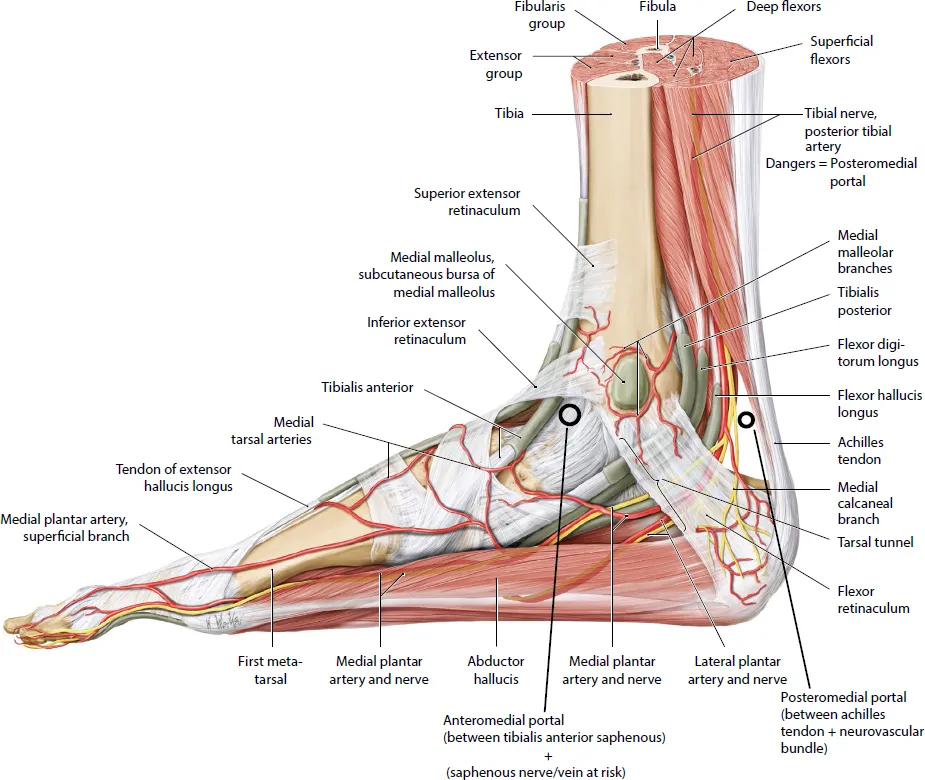
The medial ankle is the bony bump on the inside of the ankle where the bone protrudes (the medial malleolus) and the soft tissue structures sits around and behind it. These structures on the inside of the ankle include – tibialis posterior tendon , the flexor digitorum longus and flexor hallucis longus tendons, the deltoid ligament, the spring ligament, the tibial nerve, and tibial artery and veins, all travel through the tarsal tunnel. The tunnel is enveloped by the tibial bone at the deepest part, while the perimeter of these structures are covered by a fascia layer, forming the tunnel. Pain is this region, can be any one of these structures or a combination of these structures.
Common causes
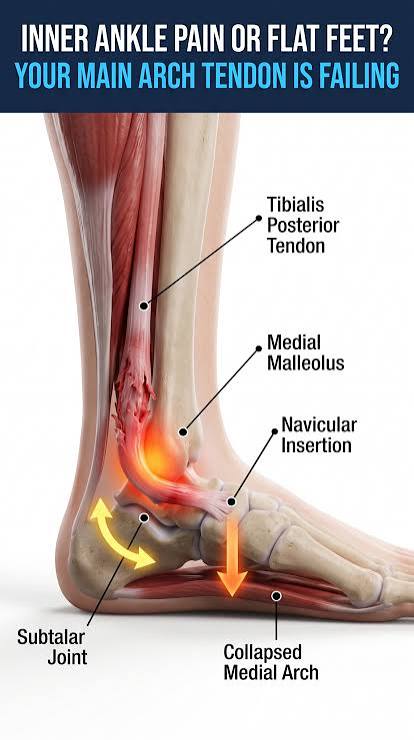
Tibialis posterior tendinopathy. We see this condition quite often. The tendon becomes overloaded, thickened or degenerative, often in people with a flatter foot (low /flat arch). Pain sits just behind or below the medial malleolus (inside boney protrusion) and may track into the arch or up the ankle. Usually, an ache aggravated by walking and weightbearing. Left untreated, it can progress with further flattening of the foot, stretching of the tendon and ligaments leading to tendon degeneration, tearing, significant pain, and eventually joint arthritis.
Deltoid ligament sprain. This occurs often with eversion (turning out) injuries or high force twists and are often missed or under-rehabilitated.
Tarsal tunnel syndrome. Compression or irritation of the tibial nerve in the tunnel, caused various possibilities- cyst, varicosity, scarring, ganglion, and leads to sever distinct pain- burning, tingling, numbness or shooting pain around the ankle and or into the sole.
Flexor hallucis longus tendinopathy. Tendon inflammation or degeneration. Common in dancers and runners; pain deeper behind the inside of the ankle, often with big toe movement.
Accessory navicular or spring ligament problems. An extra small bone or stretched ligament at the arch can cause pain just below the inner ankle.
Stress injury or cartilage lesion. Bone stress reaction/ fractures or an osteochondral lesion (cartilage damage commonly at the ankle joint)
How we assess it
Assessment starts we take your history, a thorough physical exam.This includes palpation, testing, biomechanical assessment and the use real time high end diagnostic ultrasound, which we have onsite. This ensures accurate diagnosis. Correct diagnosis is crucial, so an appropriate treatment plan can be provided. Unfortunately, if it not that uncommon for us to see patients that have been misdiagnosed, and thus not treated correctly. Onsite high-end ultrasound allows to assess all soft tissues including tendon, ligament, nerve, joint periphery, and blood flow in real time. It also allows for precision medicine.
Treatment:
Standard podiatry care: the foundation
Appropriate treatment will depend on diagnosis. Standard care for many conditions includes one or several of the following:
- Footwear advice and bracing or taping.
- Shock wave / Laser therapy
- Custom foot orthoses where appropriate.
- Load management and physical therapy
For musculoskeletal and sports injuries that are complex or resistant to standard care:
The following treatments are often utilized and added to the standard podiatry care for complex, and difficult to treat injuries and conditions, with growing body of evidence to expedite healing. Often, we use combination treatments. Each case and patient situation will vary, so the treatment program is individualized appropriately.
- High concentrate Platelet-rich plasma (PRP). Your own blood is processed to concentrate platelets, which is then injected under ultrasound guidance into the damaged tendon, ligaments and or muscle (for tears, joint arthritis, nerve injuries etc). Platelets release growth factors, and exosomes involved in tissue repair, as well certain white blood cells (monocytes, lymphocytes) are often included for their anti-inflammatory effect. These are delivered by precision medicine to the injured tissue by ultrasound guidance. We have onsite automatic blood analyser so we can ensure dosages of platelet and white blood cells etc match what the evidence says.
- Extracorporeal shockwave therapy. Acoustic pulses that can stimulate a healing response in chronic conditions
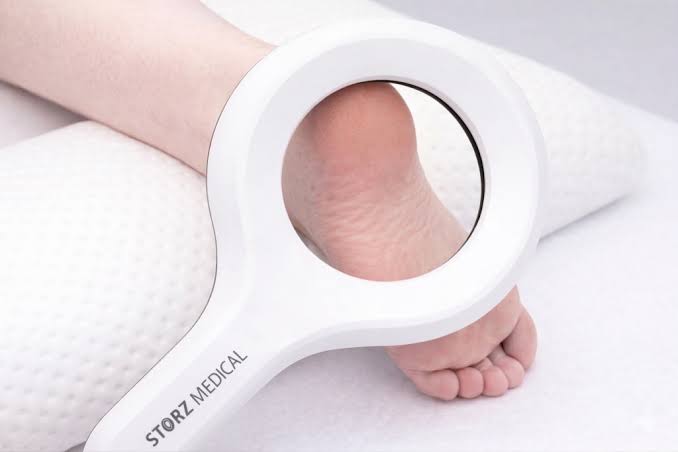
- EMTT (Extracorporeal Magnetic transduction Therapy) produces a high intensity magnetic field over the injured tissue and can penetrate bone and up to 18-20 cm through the tissues. Opens the cell membrane to upregulate cellular metabolic functions, boosts ATP production, and enhances osteoblast bone formation, from gene expression to extra cellular matrix formation. Supports tissue recovery, improves effectiveness of other electro modalities, and has growing body of evidence for treatment of osteoarthritis, and bone healing (bone oedema, fractures)
- Prolotherapy or other ultrasound-guided injections for selected ligament laxity, ligament and tendon tears and osteoarthritis
- Nerve-focused care for tarsal tunnel, or its branches (medial calcaneal nerve, baxter’s nerve) which can include ultrasound-guided hydro dissection of the nerve to free the nerve from surrounding tissue and normalize nerve function.
Don’t wait for it to get worse
The quicker the condition is treated, generally the faster the recovery. Long standing conditions tend to degenerate further, making healing a slower course.
Our philosophy is based on accurate diagnosis, precision treatment individualized for the condition, and evidence-based protocols.
If this sounds like your foot or ankle , or if you have pain that is not resolving book now with our expert team.
Latest News
Pain on the Inside of the Ankle (medial ankle pain)
Medial Ankle Pain: What’s Causing the Ache on the Inside[…]
EMTT: A New Approach to Treating Arthritis, Bone Marrow Oedema and Bone Healing
bone oedema due to chronic plantar fasciitis